in the current fiercely competitive cross-border e-commerce environment, choosing the right protection solution is crucial. this article focuses on "why cross-border e-commerce prefers us sk high-defense servers as the main protection solution", analyzes the key considerations at the technical, geographical and compliance levels, and helps e-commerce companies formulate clearer geo and seo optimization defense strategies.
cross-border e-commerce services need to deal with multiple challenges such as large traffic, payment security and user data protection. malicious crawlers, ddos attacks, and vulnerabilities in the protocol layer and application layer will all lead to transaction interruption, abnormal traffic, and damage to brand trust. therefore, choosing efficient and stable protection is the basis for operational continuity.
traffic attacks often destroy bandwidth and resources with large concurrent requests in a short period of time, causing order failures and page unavailability. high-defense servers can identify and filter abnormal traffic at the edge of the network, thereby limiting the impact to a minimum, ensuring that core services continue to run and reducing losses.
cross-border e-commerce involves data sovereignty and compliance requirements in different countries, and data transmission paths and storage locations will affect compliance strategies. high-defense nodes located in the united states usually cooperate with mainstream cloud and cdn services to meet some international compliance, auditing and cross-border acceleration needs.
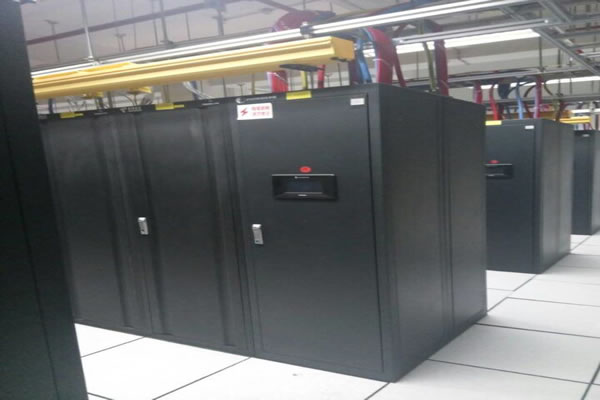
american sk high-defense servers refer to hosting or cloud server nodes that adopt multi-layer protection, large bandwidth cleaning capabilities and intelligent traffic identification mechanisms. this type of node focuses on attack detection and traffic cleaning at the network entrance, and supports elastic expansion and routing optimization technologies such as anycast.
the core reasons why cross-border e-commerce merchants prefer american sk high-defense servers include powerful ddos cleaning capabilities, abundant bandwidth resources, mature network backbone interconnection and low packet loss rate. these technical advantages can significantly reduce latency fluctuations, improve page availability and ensure the stability of payment channels.
for cross-border e-commerce that mainly targets the americas or uses the united states as its transit distribution center, choosing the american sk high-defense server can reduce cross-ocean link delays and increase access speeds. in addition, the u.s. network interconnection and content distribution ecosystem facilitates low-latency integration with cdns and payment gateways.
mature american computer room ecosystems usually provide 24/7 monitoring, fast fault response and multi-line bgp access. combined with high-defense strategies, automatic traffic scheduling and redundant switching can be achieved. stable operation and maintenance and observability are the keys to ensuring the long-term availability of cross-border e-commerce.
to sum up, cross-border e-commerce merchants prefer the us sk high-defense server as the main protection solution, due to its comprehensive advantages in ddos protection, bandwidth and network interconnection, compliance convenience and operation and maintenance maturity. it is recommended that enterprises adopt multi-region deployment based on business geographical distribution, enable traffic distribution and monitoring alarms, and conduct stress testing and attack drills before going online to ensure continuous availability and security under geo and seo optimization goals.
- Latest articles
- Cn2 Line Japan’s Role In Multi-cloud Hybrid Deployment And Connectivity Optimization
- Comprehensive Evaluation Of Bandwidth, Latency And Price Helps Complete Thailand Vps Purchase Selection
- How To Use Hong Kong Dial-up Vps Dynamic Adsl To Achieve Home Network Access And Port Mapping
- How To Optimize The System To Improve Bandwidth Utilization And Speed After Purchasing A Vps In Thailand
- Common Misunderstandings About How To Connect To Vietnam Servers To Avoid Triggering Regional Bans
- GP Singapore Server Stability In-depth Evaluation And Deployment Best Practice Guide
- Website Migration Case Sharing SEO And Speed Changes After Switching Between Hong Kong Vps And Japanese Vps
- The Technical Team’s Experience Discusses The Three Core Indicators For Choosing The Best Vps In Korea
- Performance Tuning And Monitoring Methods Of Vietnam Cn2 Network In High Concurrency Scenarios
- Buy Cloud Servers In Thailand At Low Prices, Compare Manufacturer Discounts And Long-term Operation And Maintenance Costs
- Popular tags
-

Understand The Key To Server Hosting Fees And Service Quality In The United States
Understand the key to server hosting fees and service quality in the United States and help you choose the right server hosting provider. -

Features And Recommended Solutions For Server Hosting Services In Los Angeles
This article discusses the characteristics of server hosting services in Los Angeles and recommends appropriate hosting solutions to help enterprises choose the best server hosting services. -

Security And Performance Assessment Of Us Hosting Servers
in-depth discussion of the security and performance evaluation of us hosting servers to help users choose appropriate hosting services.